In 2024, Finland’s Ministry of Education and Culture announced a pilot programme for renewing doctoral education practices in Finland, with an aim at shortening graduation times and enabling faster employment of doctors by companies. This pilot programme aims to train 1000 new doctors in three-year-long pilot projects. One of the selected pilot projects is the Doctoral Education Pilot for Mathematics of Sensing, Imaging and Modelling (DREAM), which is a consortium formed by partners in seven Finnish universities, aiming to pilot doctoral training practices in the fields of applied mathematics, physics, computing and imaging sciences.
Finland – the land of Nokia, Oura, ICEYE and Supercell to name a few – has a vibrant technology industry supported by the nation’s rich history in technological research. Its role in the Finnish economy is significant, accounting for 12% of Finnish employment and producing more than half of the country’s exports of goods and services [1 T. Apajalahti, L. Pöntynen and H. Mikkonen, Miksi teknologiateollisuus tarvitsee niin paljon uusia osaajia? – Asiantuntijat vastaavat. (2025) https://teknologiateollisuus.fi/miksi-teknologiateollisuus-tarvitsee-niin-paljon-uusia-osaajia-asiantuntijat-vastaavat/].
For years, Finland has aimed to increase its research and development (R&D) financing to four percent of its gross domestic product (GDP) by 2030. This goal was set in 2017 by the Research and Innovation Council, led by the prime minister, and again by the National Roadmap for Research, Development and Innovation in 2020 [6 Parliamentary RDI Working Group, Final report of the Parliamentary Working Group on Research, Development and Innovation. (2021) https://urn.fi/URN:ISBN:978-952-383-516-0]. A national legislation on central government R&D expenditure, a unanimous commitment in the Parliamentary Research, Development and Innovation (RDI) working groups, and a multiannual funding plan have since followed to realise this target.
This ambitious goal also underlines the importance of increasing the number of top RDI talents in the Finnish workforce. In February 2024, the Ministry of Education and Culture (OKM) announced that it would allocate €255 million to Finnish universities to implement a doctoral pilot programme [5 Ministry of Education and Culture, Universities receive additional funding for training a thousand new doctoral graduates. Press release (2024) https://okm.fi/en/-/universities-receive-additional-funding-for-training-a-thousand-new-doctoral-graduates]. By providing funding to recruit 1000 new doctoral researchers, this initiative aims to increase the number of doctorates, enhance and develop doctoral education practices, strengthen the RDI-related talent pool, and increase Finland’s international competitiveness [4 Ministry of Education and Culture, Pilot projects for doctoral programmes. https://okm.fi/en/pilot-projects-for-doctoral-programmes].
After an open call to universities, 15 pilot projects were chosen based on an international review carried out by the Research Council of Finland. Nine of these pilot projects take place in the research fields of the Flagship Programme of the Research Council of Finland, and six pilots’ research fields were chosen freely. One of the selected pilot was the Doctoral Education Pilot for Mathematics of Sensing, Imaging and Modelling (DREAM).
1 Doctoral Education Pilot for Mathematics of Sensing, Imaging and Modelling
The Doctoral Education Pilot for Mathematics of Sensing, Imaging and Modelling is one of the thematic projects of the doctoral education pilot programme. It originates from the Flagship of Advanced Mathematics for Sensing, Imaging and Modelling (FAME), which serves as a foundation for the DREAM pilot’s core research community, methodological expertise, and industry-driven training.
1.1 Flagship of Advanced Mathematics for Sensing, Imaging and Modelling
Since 2018, the Research Council of Finland has funded the Finnish Flagship Programme as part of the Finnish government’s research and innovation goals. Supported by a long-term funding, this initiative facilitates high-quality research ecosystems, called flagships, each working on their focused areas, for example, artificial intelligence, 6G, water resources, climate change mitigation, chronic diseases, and quantum technology.
The Flagship of Advanced Mathematics for Sensing, Imaging and Modelling (FAME) is a multidisciplinary competence centre that has its roots in the Finnish inverse problems research community [2 Flagship of Advanced Mathematics for Sensing, Imaging and Modelling’s website. https://fameflagship.fi]. The flagship consortium is formed by eight partners: Aalto University, Finnish Meteorological Institute, LUT University, Tampere University, University of Eastern Finland, University of Helsinki, University of Jyväskylä, and University of Oulu, with Tanja Tarvainen (University of Eastern Finland) as its director, and Nuutti Hyvönen (Aalto University) and Samuli Siltanen (University of Helsinki) as vice-directors. It aims to benefit the society through cutting-edge research in applied mathematics, physics and computing. The FAME flagship currently encompasses a network of 48 principal investigators and over 350 researchers. Out of all FAME members, about a third are women and around 35% are foreigners. Members include, for example, mathematicians, physicists, engineers, biochemists, computer scientists, and medical doctors. In addition to the academic partners, the FAME ecosystem consists of collaborators from different aspects of society, for example, companies from fields such as healthcare, clean technology and process industry, university hospitals, universities, research institutes, and the Finnish education sector.
1.2 Launch of the DREAM pilot
Between August 2024 and January 2025, 100 new doctoral researchers started their contracts in the DREAM pilot, located at the seven partner universities of the FAME flagship. The aim of the DREAM pilot is to develop new doctoral education practices in the field of mathematics, physics, computing and imaging, and to enhance transfer of graduated doctors in these fields from universities to companies.
Imaging and sensing challenges are encountered in various applications in society and industry. For example, advanced cost-efficient solutions in imaging, diagnostics, and therapeutics are needed to enhance healthcare and ensure equal access to it. Non-destructive testing methods are lacking in the materials and process industry, where the ability to monitor and control targets without causing interference is highly desirable for safety, energy efficiency, and sustainability. Similar challenges are also encountered in environmental applications such as monitoring of biodiversity, exploring groundwater resources, and predicting effects of climate change.
These and many other timely applications of imaging and sensing present complex challenges, but also plenty of opportunities for potentially high-impact solutions. The DREAM pilot educates experts in a diverse and multidisciplinary setting, encompassing applied mathematics, physics, engineering, and applied sciences. By bringing together experts on the fields of the FAME flagship, DREAM provides a systematic form to train the next generation of professionals to answer the RDI needs of Finland’s top export sector.
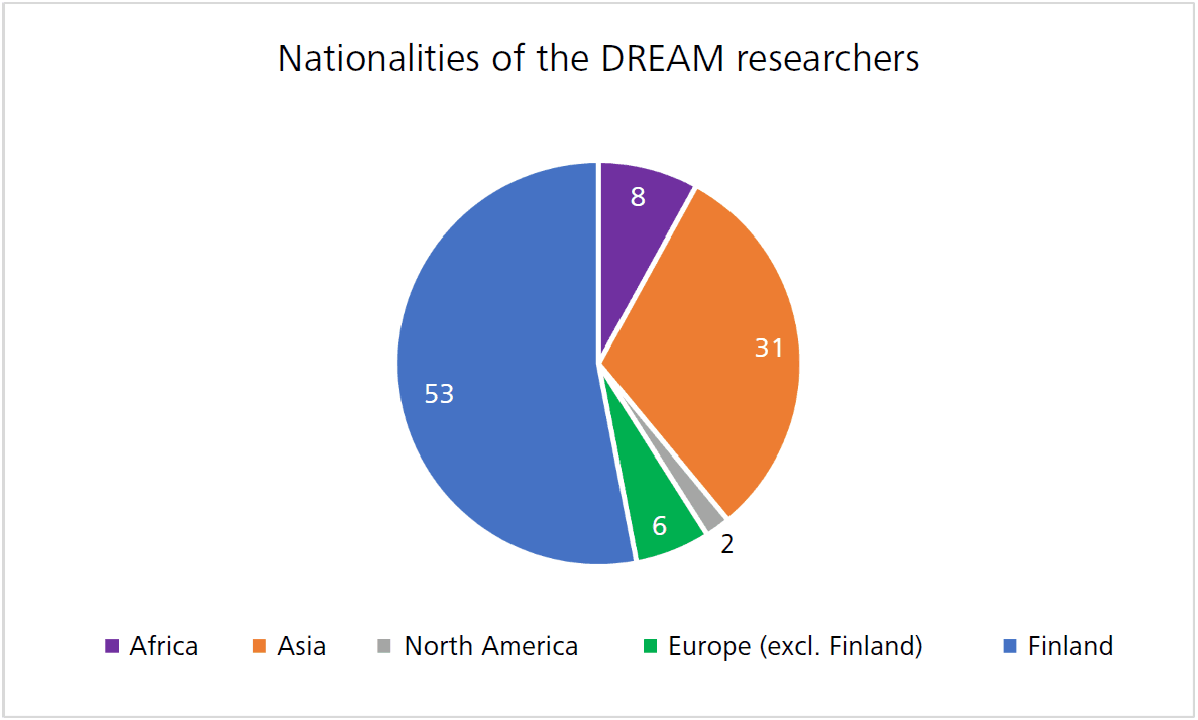
The DREAM pilot filled its doctoral researcher positions in 2024 with a fair and transparent recruitment process, with the commitment to equal treatment for all applicants. Job offers were formulated collaboratively following a standardised procedure and national standards, and posted on national channels and international, globally accessible web-based platforms. Eventually, the doctoral researcher base of DREAM grew to include 19 different nationalities, see Figure 1 for the illustration of the distribution of the nationalities of the DREAM doctoral researchers.
1.3 Joining forces for training future professionals
The Finnish inverse problems community has a long history on mutual collaboration and shared activities. This originates already in the 1990s when the first Finnish Inverse Days workshop was organised. This was followed by establishing the Finnish Inverse Problems Society, and later consolidated by three consecutive projects in the Research Council of Finland’s Centre of Excellence programme. One important effort has been the joint activities in doctoral training that has included, for example, Finnish summer schools on inverse problems. Both FAME and DREAM enable development of these training activities even further, in addition to meeting the requirements of the pilot programme for faster graduation and employment of the doctors by companies.
To enable both MSc and PhD students a wider selection of studies on a faster cycle, a cross-institutional study agreement was formed between the DREAM partner universities. This agreement is coordinated by the University of Jyväskylä, and it was signed by each partner in August 2025. The agreement now includes, in addition to inverse problems courses, courses on topics including, for example, applied mathematics, numerical methods and imaging. At this moment, the agreement is being renewed to cover all Finnish universities offering training in mathematics and a wider selection of courses. In addition to joint training activities, DREAM and FAME develop ways to make use of shared infrastructure and software, and open data repositories. At this moment, a list of open data and software can be found on the FAME website, together with a description of infrastructure at different FAME sites.
Finland has a long history on organising summer schools on inverse problems, and many current professors remember taking part in such schools during their doctoral studies already in the 1990s. In the last two years, the FAME flagship has organised an Inverse Problems Summer School as part of the Jyväskylä Summer School [3 Jyväskylä Summer School website. https://www.jyu.fi/en/study-with-us/summer-and-winter-schools/jyvaskyla-summer-school]. The Jyväskylä Summer School has gathered students from all over the world since 1991, to deepen their expertise on Science, Technology, Engineering and Mathematics (STEM) subjects and to expand their professional and academic networks in an international and interdisciplinary science community. Organised by the Faculty of Mathematics and Science and the Faculty of Information Technology at the University of Jyväskylä, the Jyväskylä Summer School is one of the largest and oldest summer schools in Finland. The application period for the summer school starts typically in March. All courses of the Inverse Problems Summer School are free of charge and taught in English by esteemed guest lecturers from the international inverse problems community. In 2024, Ronny Ramlau (Johann Radon Institut for Computational and Applied Mathematics (RICAM) and Johannes Kepler University, Austria) gave a course on “Integral Equations and Compact Operators” and Felix Lucka (Centrum Wiskunde & Informatica, the Netherlands) on “X-ray Computed Tomography Inside Out: Physics, Mathematics, Imaging and Applications.” Further, in 2025 Tatiana Bubba (University of Ferrara, Italy) lectured on “Mathematics of X-ray Computed Tomography” and Babak Maboudi Afkham (University of Oulu, Finland) delivered the course “Introduction to Uncertainty Quantification for Inverse Problems.” In 2025, participants of the Inverse Problems Summer School gathered almost 70 course completions. In addition to intensive academic work, the Jyväskylä Summer School also offers an extensive programme of extracurricular activities such as get-togethers, picnics, and cultural events. In 2024, the FAME flagship contributed to the social programme by hosting a summer evening cruise for the participants of the inverse problems courses, and in 2025, FAME organised a game night at a bowling alley.
To boost their academic activities, the DREAM doctoral researchers are encouraged to participate in the annual Inverse Days conference, a highlight event of the year for the Finnish inverse problems research community. What started as a small workshop in the 1990s has since evolved into a prominent scientific event. For many doctoral researchers, Inverse Days has traditionally been the conference where they give their first scientific presentations. Organised in 2025 by the University of Helsinki on the week before Christmas, the conference became the largest Inverse Days event to date, with over 200 registered participants. The programme included, in addition to regular presentations, dedicated industry and AI sessions, a women in inverse problems networking event, and a gathering for young researchers.
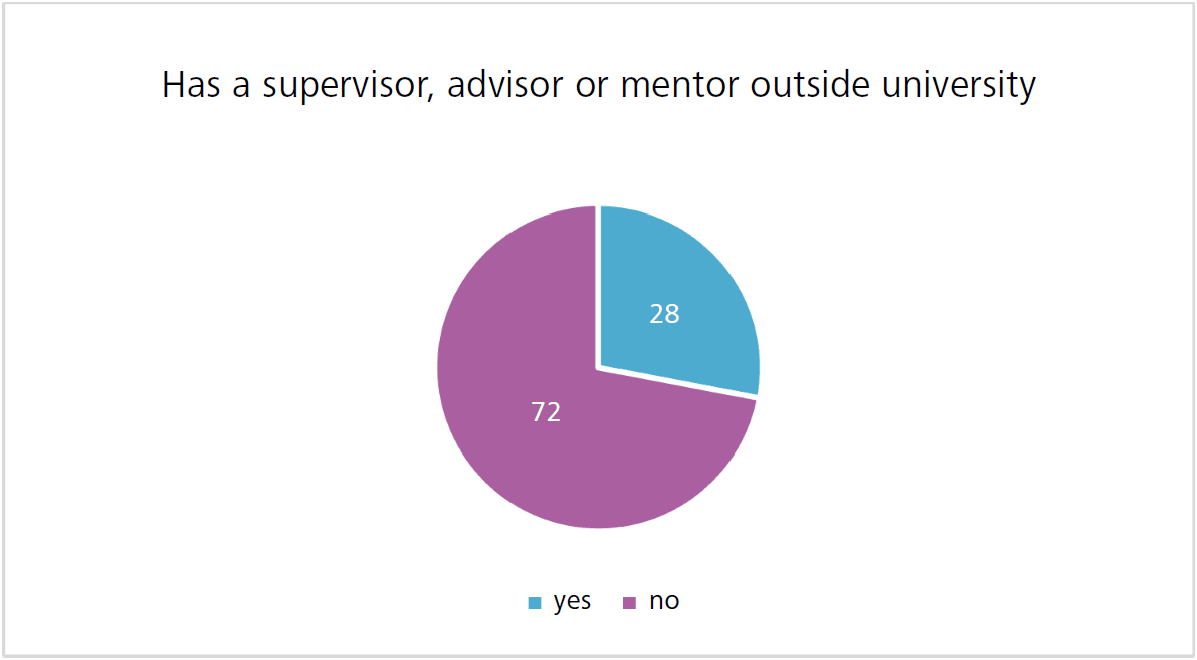
To enable a smooth transition from academia to other parts of society after the dissertation, the DREAM pilot aims that all doctoral researchers have a supervisor, mentor, or collaborator from a company or other stakeholder. Figure 2 shows the percentage of DREAM doctoral researchers who have a supervisor or mentor appointed in the beginning of the pilot. The aim is to have a mentor assigned for each doctoral researcher by the end of the first year in the pilot. Furthermore, the DREAM doctoral researchers are also encouraged to undertake secondments during which they would work at the stakeholder’s premises for 1–3 months. Through FAME, DREAM has also built a strong partnership with the business and labour market lobbying organisation Technology Industries of Finland, which has assisted in facilitating opportunities for doctoral researchers and company representatives to meet and mingle.
1.4 First year’s follow-up
The maximum funding period provided by the Ministry of Education and Culture for each individual doctoral researcher in the pilot is three years. One of the purposes behind the pilot programme is to develop practices that make sure a greater number of doctoral researchers can complete their studies and thesis work in a faster time frame. While the ministry does not restrict the time for individual doctoral researchers to complete their degree, as they are employed by universities, the dedicated three-year funding period is meant to make it possible for doctoral researchers to focus solely on their research and make for a swift graduation [4 Ministry of Education and Culture, Pilot projects for doctoral programmes. https://okm.fi/en/pilot-projects-for-doctoral-programmes].
To make sure that everything is moving along and identify any potential roadblocks, the DREAM pilot conducts an annual progress reporting questionnaire to all its doctoral researchers. The first such “temperature check” was conducted in September 2025. In addition to reporting their completed studies and status of their dissertation work, doctoral researchers were given an opportunity to grade on a scale of 1–5 factors such as the level of received supervision and usefulness of studies.
The desired accelerated time frame for graduation places significant importance on the quality of supervision. The FAME-DREAM ecosystem comprises a wide range of committed experts with decades worth of supervision experience of doctoral researchers. This dedicated and mentor-oriented pool of supervisors is one of the DREAM pilot’s greatest assets, which was also reflected in the questionnaire’s answers, see Figure 3.
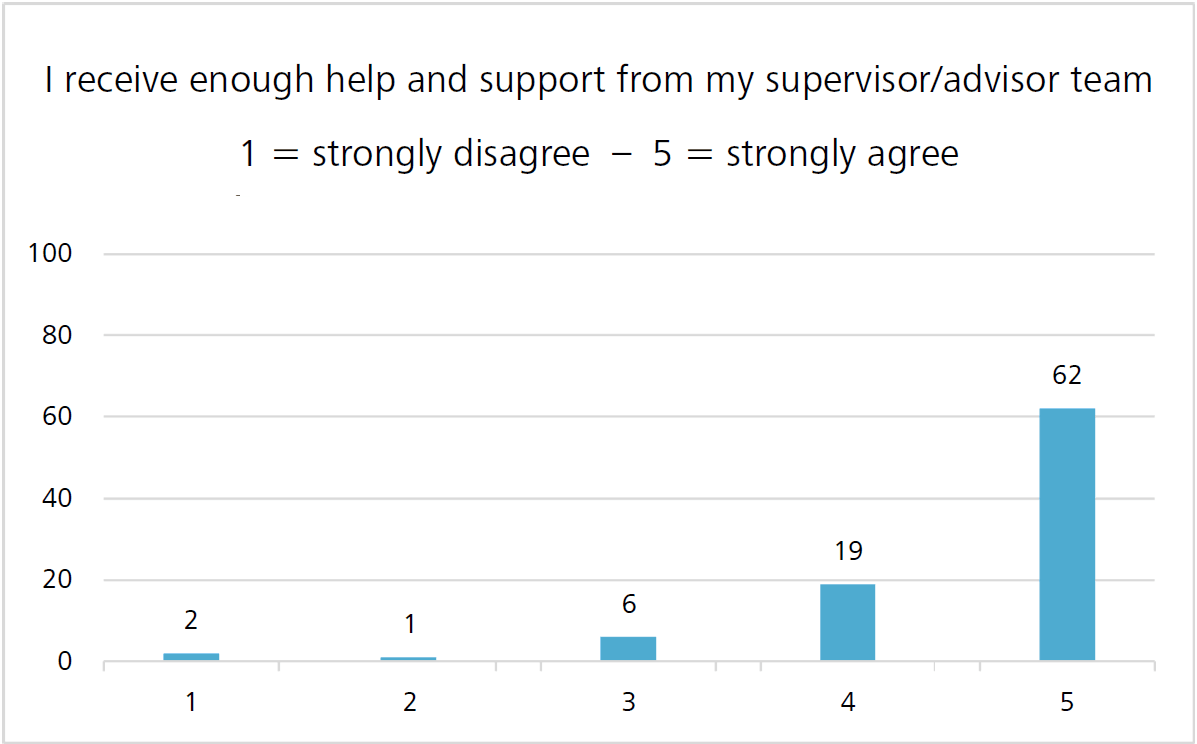
In the case of doctoral researchers getting support outside universities, the DREAM is steadily on the right track, as also indicated in Figure 2. Furthermore, despite being under shared special attention and yet divided across seven different universities, it has been reassuring to see that most of DREAM’s doctoral researchers have found a community for themselves, as demonstrated by Figure 4. In DREAM and FAME, researchers work as members of close-knit research groups, and we believe that these immediate contacts serve everyday community building, peer support, and sense of belonging also for the DREAM doctoral researchers.
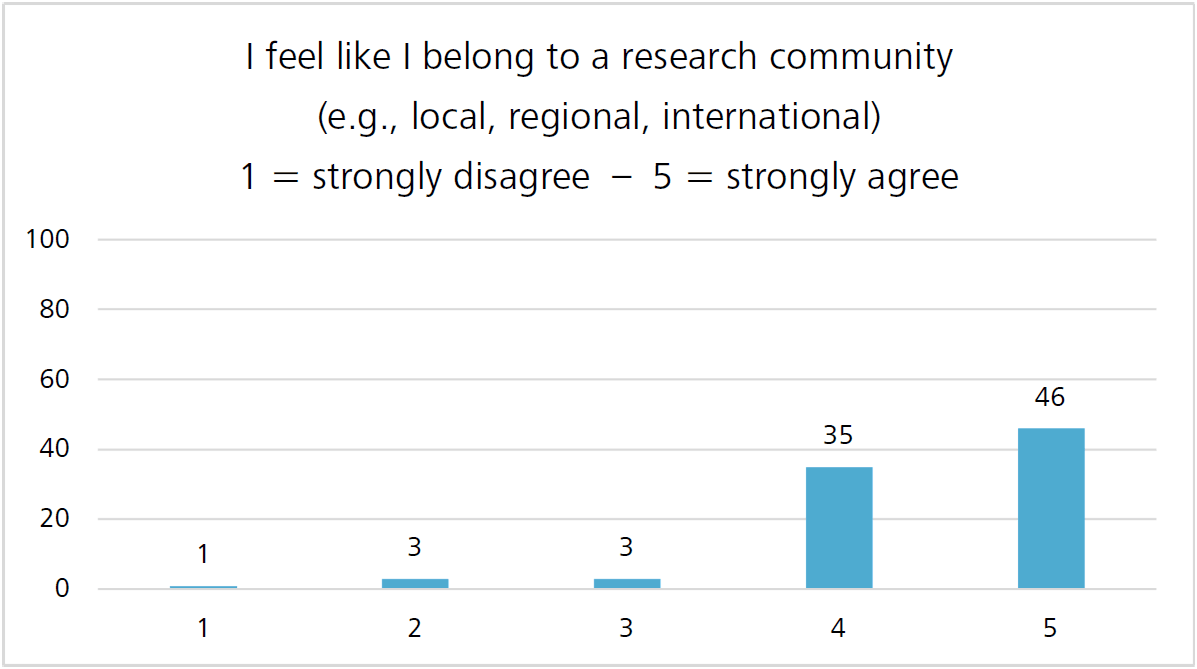
Overall, the report in autumn 2025 provided valuable feedback, useful insights, and a truly inspiring snapshot of where the DREAM pilot is at this point of its mission. The next checkpoint is planned to take place in autumn 2026.
2 Living the DREAM
The attention that the pilot programme has received in Finland has also brought the doctoral researchers appointed into the pilot into the public eye giving interviews, for example, in professional magazines and university news articles. It is also our pleasure to share career stories and experiences of two doctoral researchers of the DREAM pilot.
Aada Hakula
All rights reserved.
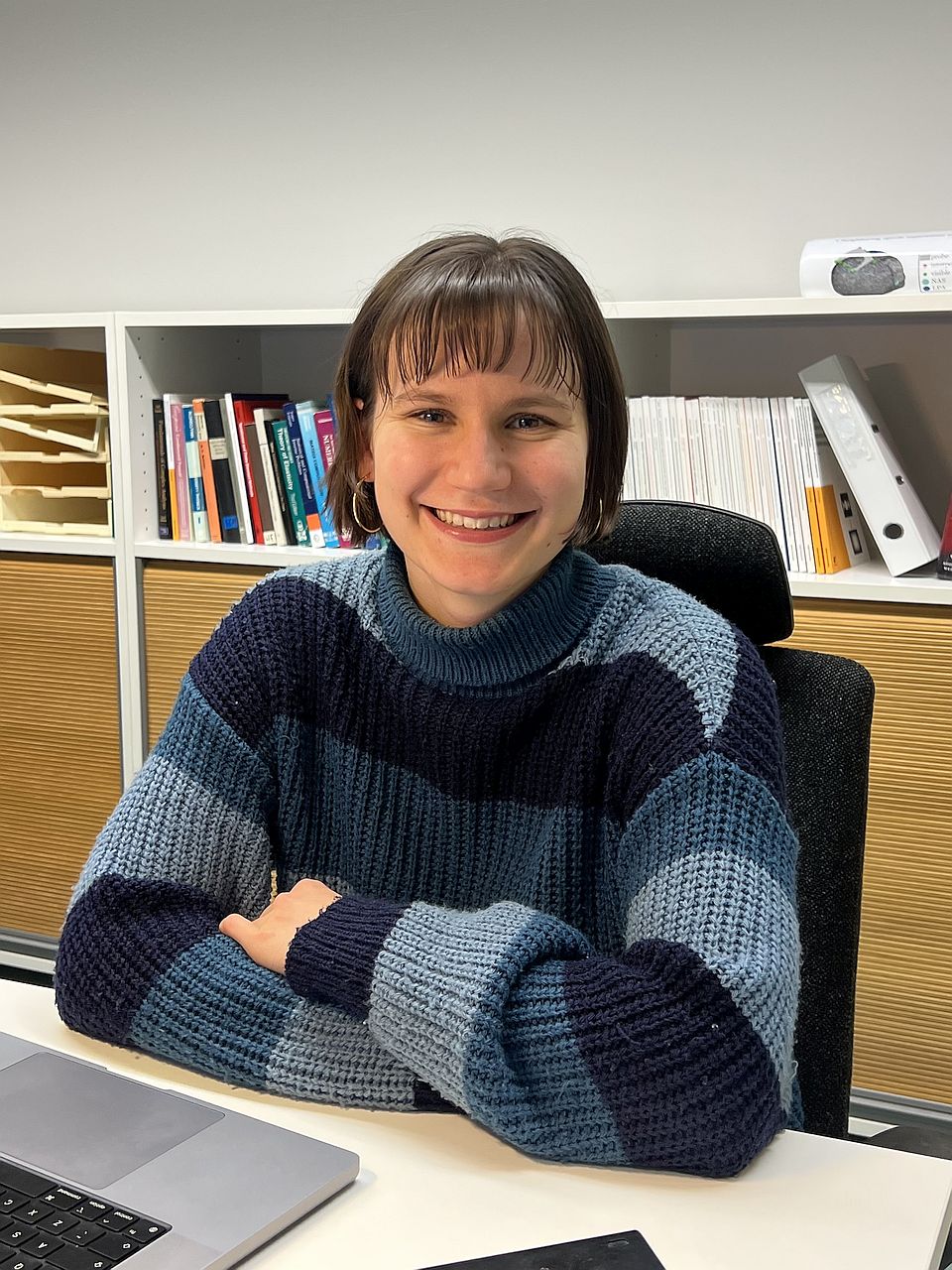
Aada Hakula (Figure 5) works in the Inverse Problems Group at the Department of Mathematics and Systems Analysis of Aalto University. In her PhD, she studies model uncertainties in inverse problems with Nuutti Hyvönen as a supervisor, in collaboration with Antti Hannukainen, and Murata Electronics as an industrial collaborator. She started working with the Inverse Problems Group already as an undergraduate when she participated in a summer project on optimal experimental design in X-ray imaging. A few years later, an MSc thesis on model uncertainties in diffuse optical tomography followed, and eventually led to a PhD work.
Hakula tells that she has always been interested in mathematics, and that also led her to choose to study it in the university. She remembers mathematics being her favourite subject in school, and says it often felt like the easiest one as well. In addition, her parents are mathematicians, and she believes that for that reason her enthusiasm for mathematics was always understood and encouraged at home.
Hakula’s PhD work includes doing her own research, studying, functioning as a course assistant, and attending different events, such as conferences and summer schools. She tells that she especially enjoys this variety of different assignments. Among the DREAM activities, she has participated, for example, in the Inverse Days and Inverse Problems Summer School, and feels that both of these events were great for networking and learning. She also enjoyed the possibility to meet other PhD students from Finland and around the world. In addition, she attended an Industry Connect and Matchmaking event where the DREAM doctoral researchers had the opportunity to meet representative companies collaborating with the doctoral education pilot. Hakula also mentions being especially happy of her colleagues with whom she can share thoughts about PhD work over lunch or coffee, as well as free time activities, for example, climbing. In addition, she talks highly of her supervisor, describing him as incredibly supportive and helpful throughout her studies.
Hakula tells that one of the challenges during the PhD has been to accept that research can be unpredictable. She is now finalising her first article, and tells that when she started the PhD work she expected a more straightforward process of conducting the work and publishing the article quickly. Regardless, she feels that the process has taught her a lot, and she is now prepared for the remaining part of her studies. This also includes a collaboration with the Murata Electronics company. According to Hakula, the acquaintance with real-life inverse problems that companies are encountering has been very interesting. Overall, she is grateful for the chance to do a PhD in Finland, and for the financial security that the pilot offers for three years. She is eager to see where the PhD studies will take her next.
Fatemeh Maleki Almani
All rights reserved.
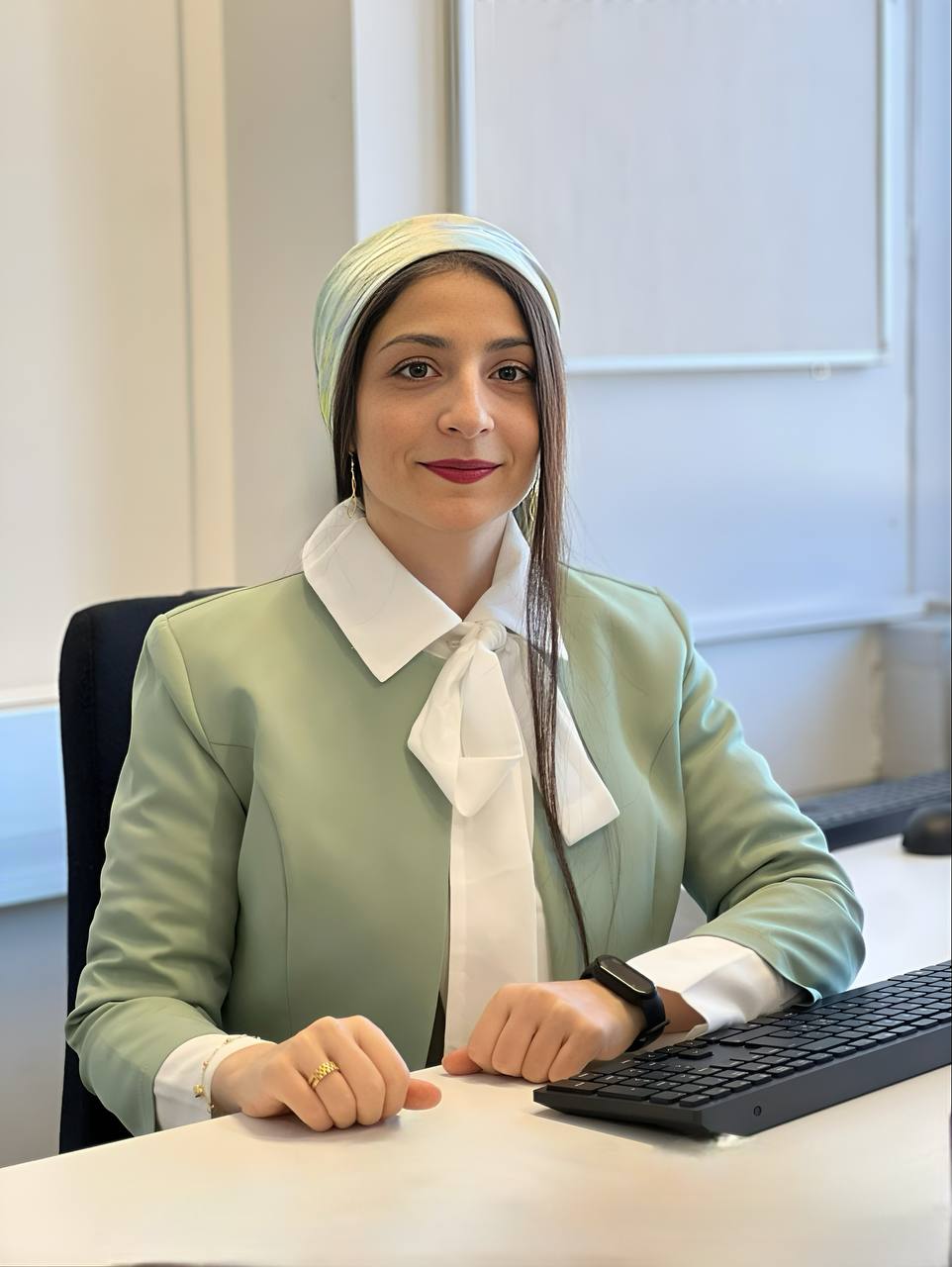
Fatemeh Maleki Almani (Figure 6) is a doctoral researcher in the Computational Physics and Inverse Problems Group at the Department of Technical Physics of the University of Eastern Finland. The topic of her doctoral dissertation is “Computational Modelling, Optimization and Control in Industrial Processes,” with Jari Kaipio and Marko Vauhkonen as supervisors and Arto Voutilainen and Marzieh Hosseini from the Rocsole company as industry mentors. She tells that she chose to pursue PhD studies at the University of Eastern Finland because of the strong reputation of its inverse problems group, and when she was searching for a PhD position, she was especially impressed by the profile and publications of the professor who later became her supervisor. The combination of academic strength, solid research infrastructure, and meaningful industrial partnership made this university the most compelling choice for her doctoral training.
Maleki Almani tells that originally her interest in computation began when, while participating mathematical olympiads and a mathematical competition in 2016, she discovered her ability to solve challenging analytical problems. During her master’s studies, she worked on different research projects and collaborated with different groups, which exposed her to the practical relevance of mathematical modelling and strengthened her motivation for scientific research. She feels that the topic of her PhD project, which combines mathematical analysis, computational methods, and real-world applications, is a natural continuation on her academic path.
Maleki Almani’s PhD project includes an active collaboration with Rocsole, a Finnish company specialising in smart process imaging, electrical tomography, and real-time data analytics for industrial environments. This collaboration has provided direct exposure to industrial applications, strengthened the practical relevance of her research, and connected her academic development to a broader international industrial system.
Maleki Almani feels that one of the most valuable aspects of pursuing a PhD in Finland is the respectful, friendly, yet highly professional academic culture. This environment maintains a healthy balance between work and personal life, while employment-based contracts allow doctoral researchers to focus more deeply and sustainably on their research. She feels that her doctoral studies have provided a highly enriching and supportive research experience, and that the university offers a friendly and intellectually stimulating environment, complemented by supervisors who are consistently supportive, engaged, and committed to advancing the project. She feels that the structured nature of doctoral studies in Finland, with its emphasis on clarity, well-defined expectations and organised progression, as well as high-quality training courses, has been particularly valuable. Moreover, the doctoral education pilot has not only ensured financial stability but has also opened access to opportunities that would not typically be available, such as summer schools, webinars, transferable-skills training, cross-university workshops, and both national and international networking events.
Acknowledgements. The authors wish to thank Aada Hakula and Fatemeh Maleki Almani for sharing their experiences, and all doctoral researchers, supervisors and collaborators of the DREAM pilot on fruitful collaboration. This work was supported by the Finnish Ministry of Education and Culture’s pilot for doctoral programmes (pilot project Mathematics of Sensing, Imaging and Modelling) and the Research Council of Finland (Flagship of Advanced Mathematics for Sensing, Imaging and Modelling grants 358944 and 359181). T. Tarvainen acknowledges funding from the European Research Council (ERC) under the European Union’s Horizon 2020 research and innovation programme (grant agreement No. 101001417 – QUANTOM).
References
- T. Apajalahti, L. Pöntynen and H. Mikkonen, Miksi teknologiateollisuus tarvitsee niin paljon uusia osaajia? – Asiantuntijat vastaavat. (2025) https://teknologiateollisuus.fi/miksi-teknologiateollisuus-tarvitsee-niin-paljon-uusia-osaajia-asiantuntijat-vastaavat/
- Flagship of Advanced Mathematics for Sensing, Imaging and Modelling’s website. https://fameflagship.fi
- Jyväskylä Summer School website. https://www.jyu.fi/en/study-with-us/summer-and-winter-schools/jyvaskyla-summer-school
- Ministry of Education and Culture, Pilot projects for doctoral programmes. https://okm.fi/en/pilot-projects-for-doctoral-programmes
- Ministry of Education and Culture, Universities receive additional funding for training a thousand new doctoral graduates. Press release (2024) https://okm.fi/en/-/universities-receive-additional-funding-for-training-a-thousand-new-doctoral-graduates
- Parliamentary RDI Working Group, Final report of the Parliamentary Working Group on Research, Development and Innovation. (2021) https://urn.fi/URN:ISBN:978-952-383-516-0
Cite this article
Mikko Helenius, Tanja Tarvainen, Siiri Utriainen, Renewing doctoral education in Finland – with applied mathematics at the forefront. Eur. Math. Soc. Mag. 139 (2026), pp. 42–47
DOI 10.4171/MAG/300